Friday, March 22, 2013

The Frontier Project

Click the image to go to the official Frontier Project website.
As our second field trip we went to The Frontier Project in Rancho Cucamonga, California. Summed up it is a very sustainable building! First off all their outside stairs, made of recycled marble and glass chips, are made of polycrylate resin and cement based terazzo which makes them water resistant,  gives them a lifetime of 40-50 years, as well as gives them a very low burn rate. Their outside pavement absorbs water and actually more than half of the buildings water comes from this

The first room we went into the lights turned on once we walked into the room. The lights in the building only turn on when someone is in the room and only if their is not sufficient light coming from the outside. So, if their was a lot of light shining through the windows the lights would have not turned on at all... what a great way to conserve electricity right? Also, one thing I found very interesting was the carpet tile, something that is becoming more and more popular everyday. So let's say you stain the carpet. Instead of having to tear up the carpet and replace the whole thing, you can literally pull up that one tile and replace that one small area.

We were told by the tour guide that most of the stuff there stood by "Cradle to Cradle", meaning hardly anything goes to land mines because it's basically all refurbished and reused. In addition to all of this, the faucets are low flow, and the men's urinals are water free.

Here are a few other things the building had that made it so sustainable as well as some pictures:
  • Solar Chimneys - they heat up and pull heat out of the building
  • Air vents are on the floor where it's cooler instead of in the ceiling where it's hottest
  • Inside plants - used to purify the air inside
  • Plants line the staircase so that water soaks in and runs down the staircase to water plants below
  • There was a weather station that told when the sprinklers to turn on
  • Plants outside need very little watering


Thursday, March 21, 2013

The Lovely Gless Ranch


I absolutely love Gless Ranch. It's the place I love to go to buy oranges, grapefruits, mango, lemons, avocados, pumpkins for Halloween, and other things all at a great price, and all grown right behind the little shop or locally.

You get big bags at such a great price, and the trip is so much fun compared to a grocery store that you'll want to keep going back!


For this entry I must choose one food that I enjoy eating and research it! After talking up Gless Ranch I'm sure you are all assuming I'm going to choose oranges or some kind of fruit. Though I love my healthy foods I'm actually choosing something a little different that I also occasionally buy from Gless Ranch about once a year or so as a treat to myself...

It's their old-fashioned licorice. The freshest, most delicious licorice I've ever had - and those who I've been able to get to try it also agree!

So it's not just your typical flavors that they have (because I'm not a fan of black and red licorice). They have cherry, apple, strawberry, blue raspberry, among other flavors, and my all time favorite watermelon... Yum!

Now let's do some research;
  • What are the ingredients?
    • Enriched wheat flour - this means most of the natural vitamins and minerals have been taken out so that the texture is finer and the shelf life is longer
    • Corn syrup, sugar, high fructose corn syrup
    • Water
    • Food starch modified (corn) - longer shelf life again as well as a hard coating for candy
    • Citric acid
    • Artificial flavor
    • Apple juice concentrate
    • Maltodextrin - an additive used as a thickener or filler
    • Salt
    • Soy lecithin - used to keep licorice together
    • Glycerine
    • Soy mono and diglycerides - used as coating and flour treatment agents
    • Malic acid - used to give food and candy a tart flavor
    • Palm oil
    • Ascorbic acid - also known as Vitamin C and used to preserve food
    • Artificial colors (FD&C Red #3 and FD&C Red #40) 
  • Where did the Licorice come from and who makes it?
    •  This Licorice comes from Torn & Glasser Inc. in Pomona, California, 40 minutes from Gless Ranch.
  •  How are the ingredients made?
    • Some are artificially made (like the colors, flavors), salt is natural and mined, high fructose corn syrup is genetically modified, apple juice concentrate is manufactured by a company, ascorbic acid can be either natural or synthetic, really every ingredient in this licorice has been made every way possible or is natural.
  • What are its environmental impacts?
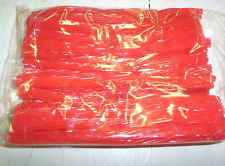
    •  The packaging as pictured to the right is not environmentally friendly and therefore has an impact when disposed of. The process of cooking the ingredients and the conveyer used to cut the licorice all use energy which we all know also has impact on the environment. The 40 minute drive from Pomona to California also adds emission to the atmosphere.
  • What health effects might it cause?
    • Basically, these licorice are delicious but unhealthy (what a surprise).
    • Lets' start with the enriched wheat flour. Since enriched means that the natural vitamins and minerals are taken out it is less healthy (though they make is sound healthier). I actually read online that with those vitamins and minerals taken out your body absorbs the wheat differently, breaking it down faster than normal giving your body too much sugar at once. This can unfortunately lead to diabetes.
    • High fructose corn syrup is known for possibly being a reason for obesity.
    • Although some of the ingredients do no harm, there are really none that are beneficial to a person (besides the vitamin C but obviously it is not equivalent to taking a vitamin or drinking orange juice so we won't count that). Unfortunately some of the ingredients can actually do harm to a person if over-consumed, therefore I'm happy to say it's a treat I get for myself about once a year so I think I feel I'm not doing any harm to myself!

I'm very sad to say when I called Gless Ranch to find out who makes the licorice they told me that they no longer sell it because Torn & Glasser Inc. went out of business... I was devastated! Luckily however I found Kenny's Licorice on amazon that looks very similar to the ones from Gless Ranch. I ordered them so I'll update you all on how their taste compares!

UPDATE: Kenny's Licorice not only looks like the Torn & Glasser Licorice but it also does in fact taste just like it! It's just as fresh with the same flavors... downside is the only way to get it is online!

Sources:
http://institutefornaturalhealing.com/2007/08/the-hoax-of-enriched-wheat-flour/
http://www.bhawkindustries.com/blank?pageid=174&

Tuesday, March 19, 2013

Let's be honest here... 


How green, or sustainable is your campus? Probably not very, but I'm sure (or at least I hope) every campus is making an effort to be less impacting on the Earth! For this assignment I first had to decide what factors I would use to determine just how "green" my campus is. How a campus uses energy, commutes, and recycles are obvious factors, but here are others that I came up with;


There are campus sustainability efforts out there, however, most seem to be driven by profit more so than creating a smaller impact on the Earth. However, there are some campus out there who do want to overall be more "green", take Wake Forest University in Winston-Salem, North Carolina for example.

Every year this university takes part in the STARS program. STARS stands for the Sustainability Tracking, Assessment, and Rating System. According to the STARS website (https://stars.aashe.org/), the program is a "self-reporting framework for colleges and universities to measure their sustainability performance". Wake Forest University takes part in this program in order to track their progress each year to guide them in the right direction in becoming a sustainable campus.

The assessment is very detailed, covering everything from air travel and greenhouse emissions, to food purchasing and tray-less dining, to renewable energy. The campus is scored based on whether or not they are persuing the given "credit" on the assessement. For example, one "credit" is "LED Lighting", and since the university is persuing this, they recieved a score of 0.25/0.25. Kind of hard to understand so here's a screenshot of the actual report for Wake Forest in 2012;

 
You can check out this link to see the actual report from 2012:
https://stars.aashe.org/institutions/wake-forest-university-nc/report/2012-05-09/

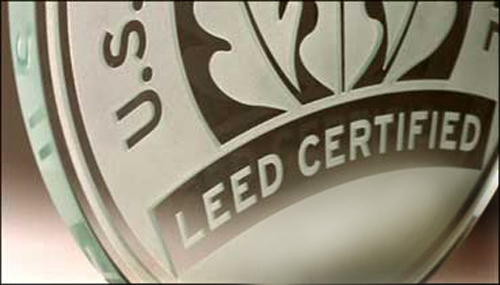
So, if I could choose one of the factors I came up with above to assess at my campus I would choose: Are the buildings on campus LEED certified?. For those that do not know, LEED certified means that each building meets the standards of being sustainable. According to NRD.org, "The LEED green building rating system -- developed and administered by the U.S. Green Building Council... is designed to promote design and construction practices that increase profitability while reducing the negative environmental impacts of buildings and improving occupant health and well-being". Not only that, but there are benefits for being LEED certified! Buildings that do receive a Certified, Silver, Green, or Platinum LEED certificates get credits.

To start this assessment, I would first go to Dr. Edward Bush, Vice President of Student Servies and find out who it is I need to get permission from the assess each building. I would also write a detailed email to the RCC President, Dr. Cynthia Azari explaining to her why I am doing the assessment, as well as email her the results. I would then contact the Student Sustainability Collective and ask for their help in assessing each building.

In 2001, Emery built their first LEED certified builing, a "$95,000 project that paid for itself in less than a year through reduced energy bills". Why wouldn't we want to do this? Not only would we become a less environment impacting campus, we would also SAVE money. Most of the time the factors that keep a campus from becoming sustainable are lack of funds, lack of awareness, or lack of support from administrators. I'm pretty sure knowing the cost of becoming LEED certified would pay for itself in the first year, and continue to save us money afterwards would get administrators to be open to the idea!

Next, with the help of the Sustainability Collective I would research what the requirements are for being LEED certified and from there find out what standards the buildings meet and which they do not. I would then suggest getting assessed by the STARS AASHE assessment (that I mentioned above) to see where we stand in reference to electricty consumpion, etc. and to also show administrators just how poorly we are doing. I would have to get in touch with Dr. Cynthia Azari again and find out if this is okay to do. It would cost $1400 for the assessment, which I and the Student Sustainability club would have to raise. From there we would have the campus assessed, see what requirements are not met, and which ones are, and then pitch the idea to become LEED certified to the president of the school once again. This process (especially since I have to go through administrators and raise the money) would probably take a year or two.

It takes one person to make millions aware. Help make your campus sustainable. 


Monday, March 11, 2013

Crystal Cove State Park Tidepool Field Trip


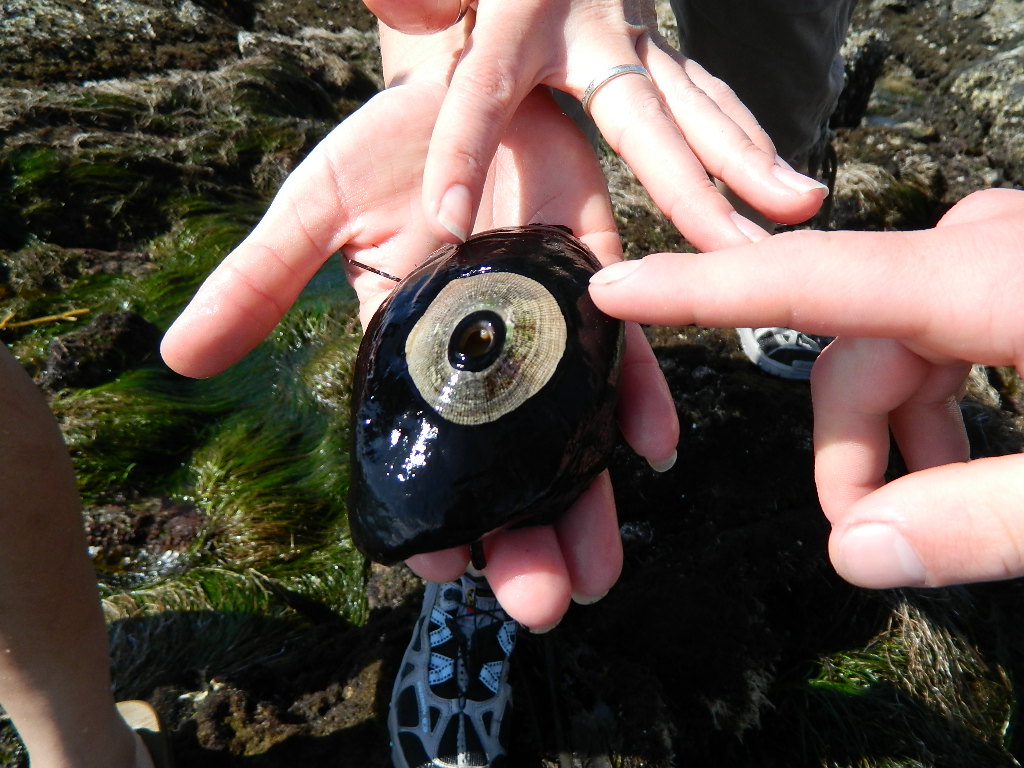
On March 9th we had the option of attending a field trip to the Crystal  Cove State Park in Laguna Beach and observe the life in the high, mid, and low-tide areas. Of course I went! (For those in the class who did not go please enjoy these pictures!) I went excited and hoping to see things I'd never seen on the beach before and thankfully I did! So please feel free to check out the pictures below and maybe consider visiting someday...


Here is the website for more information: http://www.crystalcovestatepark.com/

Tuesday, March 5, 2013

Everything comes from the Earth!

Third assignment... For this week I was responsible for listing all of the Earth's resources that I used in an entire 24-hour period. If you really think about it, everything we use comes from the Earth. Our food and drinks come from water, animals, and plants. Our homes and the buildings and structures around us are made of clay or glass, among other things that come directly from the Earth. 

So for this assignment I began recording everything I used that involves the Earth onto my iPhone. I started at 6am on March 4th and ended at 6 am on March 5th. Here is my list divided into 8 sections: 

A) Food and Drink 
Water                                                              Turkey 
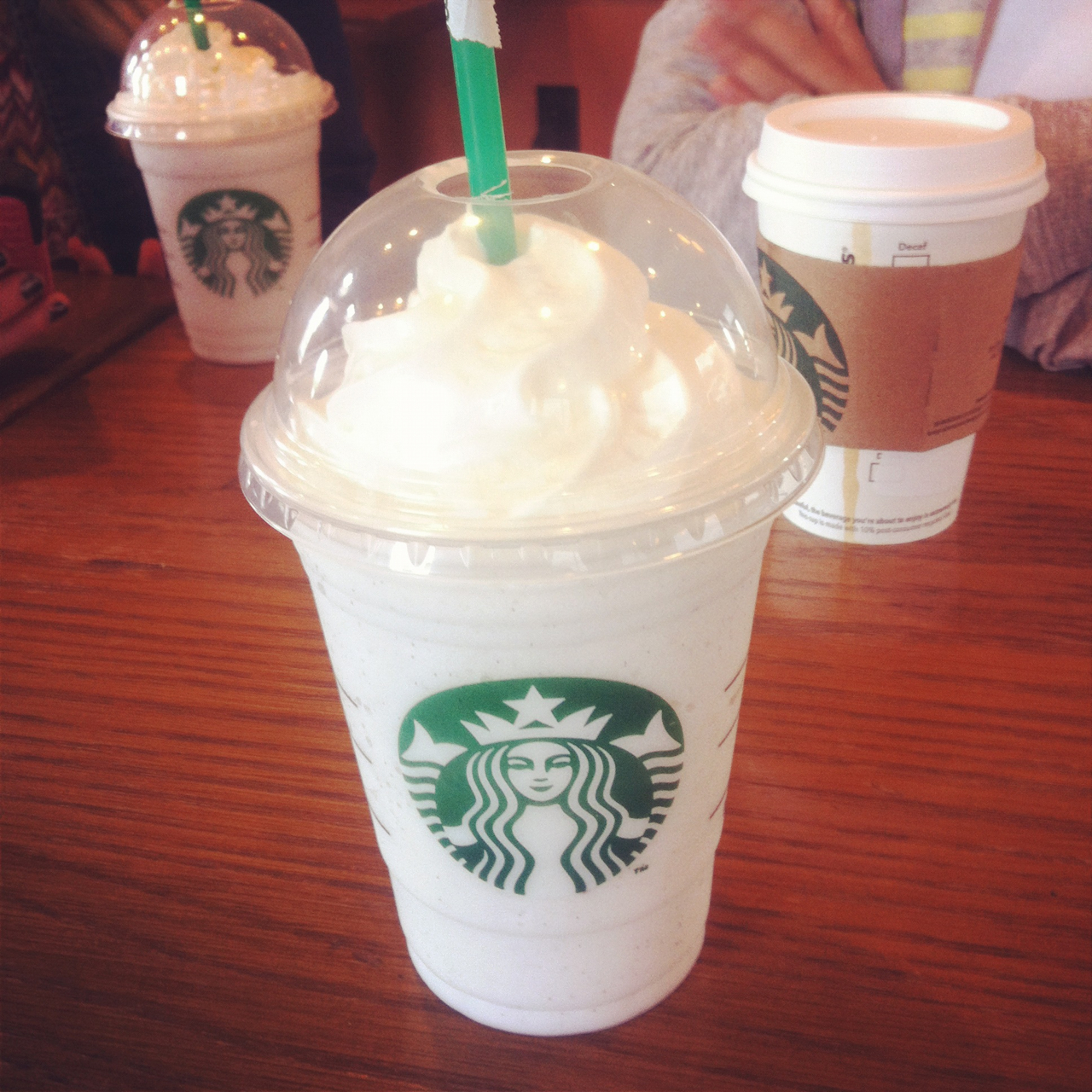
Starbucks Grande Vanilla Bean                  Cranberries 
Starbucks Breakfast Sandwich                   Orangeade 
Wheat thins                                                   Carrots  

Honey tea                                                       Potato                          
Fruit Snack                                                     Onions                       

B) Housing and other Buildings
  
Home                  Quiksilver building (work) 
Elliots for Pets 

C) Transportation and Roads 
Car                                Freeway 
Gasoline                       Break fluid 
Road                             Sidewalk 

D) Clothing 
Undergarments          Light Sweater 
Shorts                          Dog Sweatshirt 
Sandals                        Jeans 
Top                               Tanktop 
Hoodie                          T-shirt 
Pajama shorts  

E) School Supplies 

Computer                   Tape 
Paper                           Scissors 
Pen

F) Personal Care Products 
Toilet Paper             Lotion 
Toothpaste               Q-tip 
Soap                          Deodorant 
Razor                        Chapstick 
Toothbrush              Hairbrush         
Facewash                  Hair softening Spray 
Shampoo                   Bristle Hairbrush 
Conditioner              Foundation (makeup) 
Concealer                 Blush 
Eyeliner                    Mascara 
Bronzer                     Blow-dryer 
Straightener             Eye-makeup remover 

G) Leisure Activities 
Walked my dog Milo 

H) Other (not listed in categories A-G)    
Oxygen                      Toilet    
Sheets                        Hair tie      
Bedspread                 Towel 
Blanket                      Purse 
Pillowcase                 Keys 
Pillow                         Ladder 
Cell phone                 Door 
Light                          Door knob 
Fan                            Toilet handle 
Door stop                  Wooden boards 
Hardware (metal)   Dust off 
Recycled Bags          Disinfecting Wipes 
Napkins                    Refrigerator 
Debit Card                Television 
Fish Tank Light       Remote Control 
Couch                        Office Chair 
Coffee Table             Radio 
Blanket                     Giftcard 
Cash                          Hand towel 
Phone Charger         

Now that I've compiled my list I must choose 1 of the things on my list to research and answer a few questions about. I chose the Starbucks Grande Vanilla Bean.     


What is it made of?      
Vanilla bean, whole milk, and ice. (And whipped cream on top!).      

 
How is it used?         
It's a popular drink at Starbucks bought purely for flavor and not energy (like coffee) since it has no caffeine!      
   
Where is it distributed, how, and by who?      
These Frappuccino's are distributed at all Starbucks locations and are made by the baristas using a blender.       

What will happen to it when it is no longer "useful"?  
   
Well, I wouldn't say Vanilla Bean Frappuccinos are found "useful" at all, but when they are no longer found desireable they would be taken off of the menu.     

Is the Starbucks Vanilla Bean a "need" or a "want"?
    
I'm sure no one could logically argue that this is anything but a "want".      

What is the effect of this product (production, use, disposal) on:     
Me:                
I spend money, as well take in unneeded calories. And the making of the drink doesn’t seem to effect me now, but with water being wasted constantly washing out the blenders, and the waste building up from cups that cannot be recycled, and all of the energy being used up from the lights… it is and will effect me at some point.

Other People:
The same effects would go for other people as they would for me.

Animals:                 
With so many starbucks locations the production of milk had to have gone up which in turn effects the cows because farmers at Swiss Milk need to get milk out faster.  Also, the cups that are not environmentally friendly effects the environment, in turn effecting animal habitats.

The environment: 
“Starbucks is committed to significantly reducing and diverting the waste our stores generate, and recycling is just one way in which we do this.” - Starbucks.com
     
Unfortunately not all of their cups are environmentally friendly (though in the last few years they come a long way in making their locations more green), and this produces waste that harms the environment. Water is wasted when making the frappuccinos (constantly rinsing the blenders), but the good thing is they are working hard to be more environmentally friendly, check it out for yourself!


http://www.starbucks.com/responsibility/environment

Was the product available 100 years ago? If not, what was used instead?     
This product was not available, in fact Starbucks opened it's first store only 42 years ago. People just drank whatever was popular at that time.      

What alternatives might do more  good or less harm?

Have all cups be environmentally friendly and make reusable cups more cost attractive, use energy efficient everything at every location, open new stores using recycled building materials, and use as little water as possible.


.........
 
At first when I chose to research the Starbucks Vanilla Bean I really did not think I would have answers for a lot of these questions. When I first got to how the making of a Vanilla Bean effects the environment my first thought was “It doesn’t, it’s just blending up a delicious frappuccino!” But when I started to research, I started reading up on just how much operating a Starbucks and making those drinks really does put a footprint on the environment!

So what more can I do, and YOU do to conserve Earth’s resources? 


Obviously we should try to only get things we NEED, not things we WANT. If it’s just something we want at the moment, is it really worth wasting such valuable resources? I would say no. Let’s not waste water, or food. Let’s try to buy things that we know were grown locally. We should also try to recycle and maybe even only purchase from places you know used recycled materials. Starbucks started going green because its environment loving customers stood up and their voices were heard. We need to do this more often so that everywhere is being as environmentally friendly as possible. This Earth provides us with food, shelter, LIFE, and we should return the favor by conserving it every way possible. Join nonprofit organizations, they really do make a difference.

Tuesday, February 26, 2013

Quality Time with Nature

Today I went outside and spent exactly 21 minutes sitting in the grass of my backyard observing all of the abiotic (nonliving) and biotic (living) things around me. Why? Because this is what I had to do to complete my second assignment. And I know my backyard seems pretty boring, but I really was intrigued to see what I could really discover back there!

When I sat down it was exactly 5:23pm and a cold wind was moving everything around me. I created an imaginary sphere around myself (as instructed to do for the assignment) and began observing.


The abiotic things around me that I could see were the following: 
  • Dirt/Soil 
  • 3 redish colored rocks  
  • 1 grey and black bird feather   
  • A ball (Milo's!)
  • Sticks  
  • Power lines 
The biotic things around me were:
  • Lots of grass
  • A few weeds
  • 2 nats
  • 2 nuts
  • 1 baby peach tree

As I continued to sit there I looked up and saw a hummingbird land on a tree branch. This was a simple example of commensalism, which is an interaction that benefits one, but not so much the other. When the hummingbird landed on the tree branch, the tree was giving shelter and protection for the hummingbird, but the hummingbird in return was not giving the tree anything. 
  
However, we usually see hummingbirds having a mutualistic relationship with flowers, meaning both species benefit each other. The flowers give nectar to the hummingbirds, and the hummingbirds unknowingly collect pollen and transfer it to the next flower. This just wasn't the type of interaction I saw unfortunately.  

I watched it carefully and after about 15 seconds, the hummingbird flew off of the tree branch and to my surprise another hummingbird appeared! They twirled around in the air for a few seconds and then flew off together. 


We don't see too many hummingbirds right now compared to in the summer. This is because there are less flowers, meaning less nectar for the hummingbirds to feed on. This is a called a limiting factor. With less food, the number of organisms in a population becomes less. In summer there will no longer be that limiting factor and we should see more!

After this I saw two sparrows fly by, followed by four crows. Though I'm not sure, the crows could have been chasing the sparrows (I've seen this many times before). Crows can actually be carnivorous predators - in other words they feed on mobile prey - and will work together to take down other birds! In this case, the sparrows could have fallen prey to the crows, creating a predator-prey relationship between the two species.

Then an interesting looking bird landed on the powerline above me. It was all black and looked like it had a fluffy head (I really have no idea what it was), but what was most interesting was its chirp. It almost sounded like "chip... chip... chip", very high pitched, and never changed. It flew around my house for the remainder of my quality time with nature, making that same noise, and I never heard any other birds reply with the same chirp. Maybe it was calling for a spring mate?!

At 5:44pm I grabbed my things and my fun with nature had ended. I do very much look forward to doing this again on my own time during a hike and also as the beach! 


You should try it too. Honestly, sitting there quietly and just observing and listening can make even your backyard a very beautiful place.